

Introduction: Why Cross-Border Infrastructure Projects Require Specialized International Legal Support Across the Middle East and North Africa — particularly in Saudi Arabia, the UAE, Qatar, and Egypt — governments and private investors are accelerating the development of major infrastructure projects. These include: regional railway networks, cross-border energy transmission lines, international water desalination and distribution systems,…
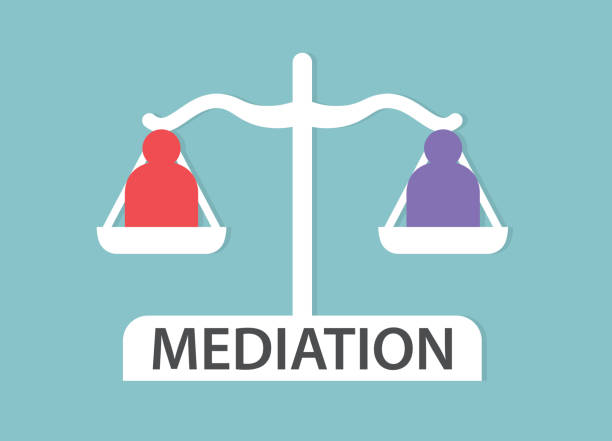
Introduction: A New Era of Investor Dispute Resolution Cross-border investment activity in the Middle East, North Africa, Europe, and Asia has grown dramatically over the last decade. From joint ventures in Saudi Arabia, manufacturing projects in Egypt, technology investments in the Gulf, private equity deals, energy developments, and international real estate ventures—foreign and regional investors…

Introduction: Why Smart Claim Management Is the Foundation of Infrastructure Project Success Infrastructure projects—roads, bridges, airports, rail systems, desalination plants, water networks, ports, energy grids, and major PPP developments—are engines of national growth. However, these projects also face unavoidable risks: design changes, unforeseen ground conditions, delays in approvals, interface conflicts, regulatory constraints, supply chain disruptions,…

Court battles are rarely good for business. They are slow, expensive, unpredictable, and often damage commercial and professional relationships that took years to build. In cross-border contexts, involving parties from Saudi Arabia, Egypt, the wider GCC, Europe, or the CIS, litigation can become even more complicated due to jurisdictional issues, enforcement questions, and cultural differences….

  Introduction: Why Expert Mediation Consultation Has Become Essential for Modern Businesses Across Saudi Arabia, Egypt, and the GCC, companies increasingly face legal and commercial disputes arising from construction contracts, supply agreements, joint ventures, distribution arrangements, employment issues, investment failures, and cross-border transactions. Traditional dispute mechanisms—litigation and arbitration—can take months or years, cost significant sums,…

Introduction: Why Mega-Infrastructure Projects in the MENA Region Require Specialized Arbitration Consultancy The MENA region is witnessing one of the most ambitious infrastructure development waves in modern history. Saudi Arabia’s giga-projects, the UAE’s transport and logistics expansions, Qatar’s energy and water initiatives, and Egypt’s new urban and industrial zones have all set the stage for…

Introduction Across the Middle East, Africa, and other developing regions, infrastructure has become the backbone of national transformation strategies. Governments are investing heavily in mega-projects such as: highways and expressways metro and rail systems smart cities desalination and water-treatment plants airports and ports power plants and renewable-energy facilities tunnels, bridges, and mega-logistics corridors These projects…

Introduction: Why Mediation Has Become the Preferred Tool for Resolving Business Conflicts In today’s fast-paced commercial environment, business conflicts are inevitable—whether arising from partnership disagreements, strained joint ventures, distribution agreements, or disputes over performance and financial obligations. While litigation and arbitration remain vital mechanisms, a growing number of companies across Saudi Arabia, the UAE, Egypt,…

Introduction Engineering disputes have become one of the most frequent and complex forms of conflict in construction and infrastructure projects across the Middle East. These disputes arise at the intersection of technical engineering standards and contractual obligations, often involving multimillion-dollar claims, competing expert opinions, and highly detailed investigations into design, execution, and operational performance. In…

Introduction: Engineering Claims Are Not Just Contractual Issues — They Are Technical Battles Requiring Precision Engineering projects—whether in construction, infrastructure, energy, industrial plants, or cross-border developments—inevitably generate claims rooted in technical complexity. Delays, variations, design changes, conflicting specifications, unexpected site conditions, cost overruns, equipment performance issues, and coordination failures all form the basis of engineering-related…